

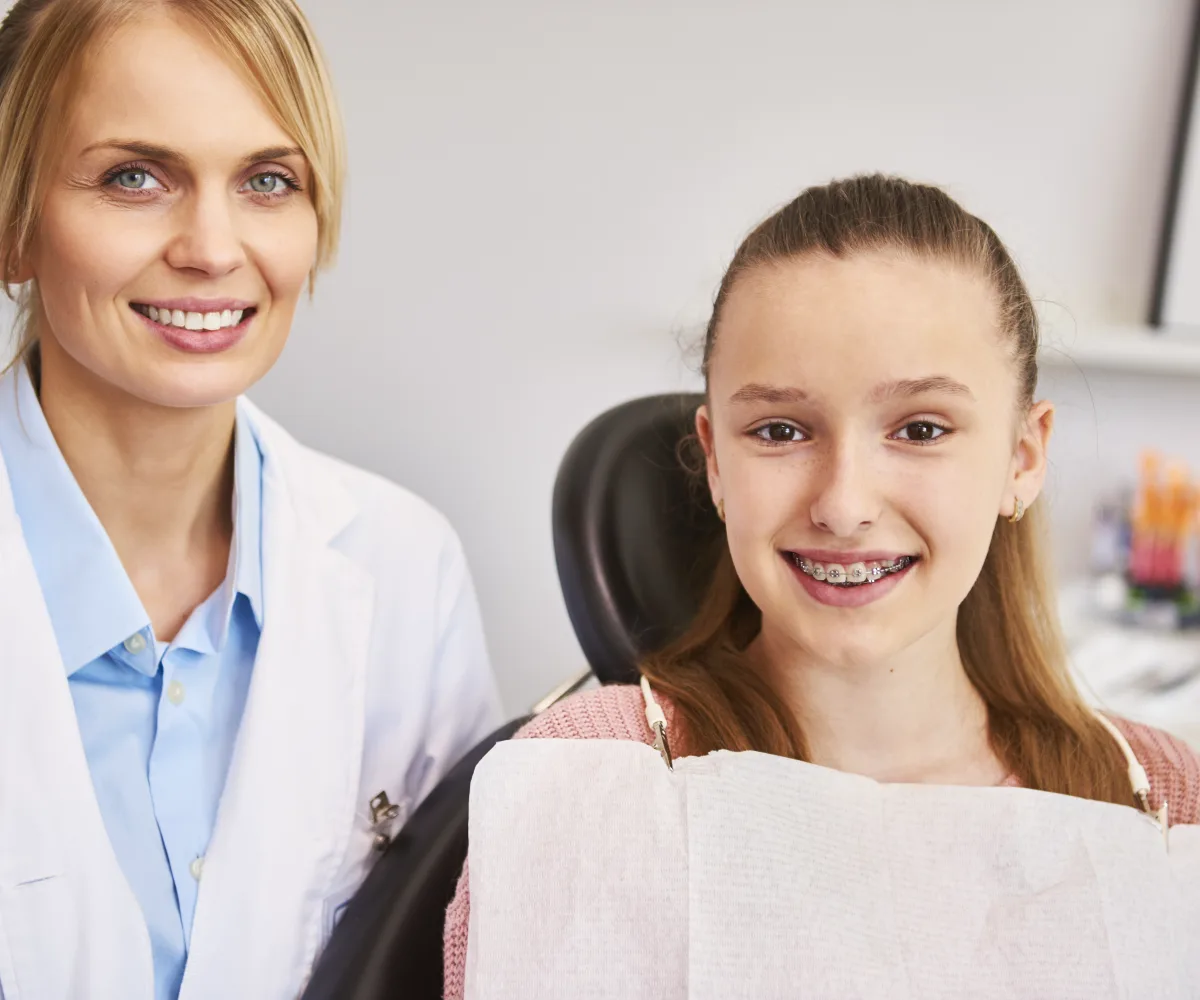
What Early Evaluation Looks For
What Happens at the Assessment
Comprehensive Oral Examination
A full look at your child's teeth, gums, and jaw development.
X-rays and Digital Imaging
Where needed, to see what is happening below the surface, beyond what a visual exam alone can show.
Family Dental History Discussion
Since some orthodontic patterns run in families, this helps build a fuller picture.
Oral Habits Evaluation
Checking for habits such as thumb sucking that can affect how teeth and jaws develop.
Personalised Recommendations
A clear explanation of what, if anything, your child needs now, and what to watch for later.
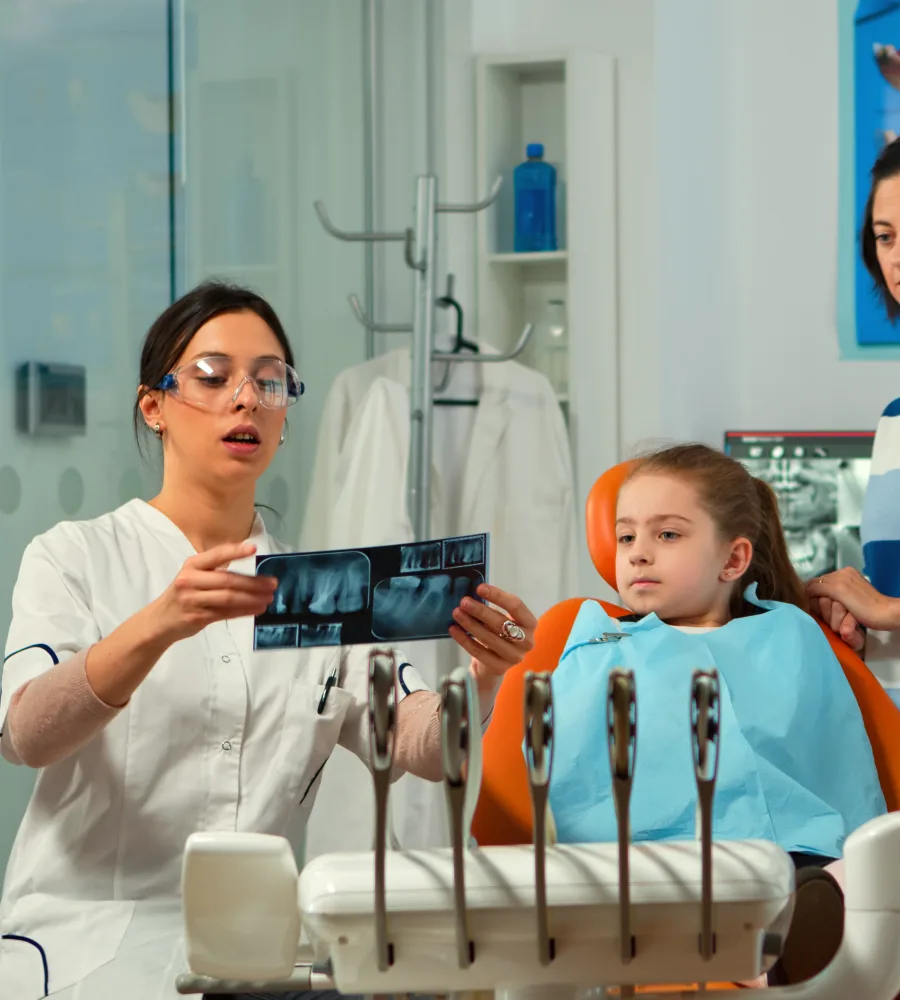
Why Early Assessment Is Worth Doing
Guiding jaw growth early can reduce the need for more invasive treatment later, and addressing crowding early can help create space for incoming adult teeth, lowering the risk of impacted teeth. Early assessment can also identify and help correct harmful oral habits such as thumb sucking, and by addressing concerns while your child is young, it can support their confidence rather than letting a dental appearance concern become something they grow self-conscious about.
What This Means for You as a Parent
Your role is straightforward: keep up with regular dental check-ups, mention anything you have noticed, such as a habit or an unusual bite, follow through on any recommendations made, and keep encouraging good oral hygiene at home. If no treatment is needed yet, check-ups every 6 to 12 months monitor your child's growth, with the exact frequency depending on their individual case.
Signs Worth Mentioning at Your Child's Next Check-Up
You do not need to wait for a dedicated orthodontic appointment to raise a concern, your child's regular dentist visit is a good place to mention anything you have noticed, whether that is crowding as adult teeth come in, a bite that looks off, or a habit like thumb sucking that has continued longer than expected. Flagging it early is what makes assessment easy, rather than something addressed only once a problem is already obvious.
Ready for Your Child's First Orthodontic Check? Book Their Assessment
Book an early orthodontic assessment for your child and our team will carry out a full evaluation, explain exactly what they find, and recommend next steps in plain language, whether that means monitoring, an early intervention, or simply confirming everything looks on track.
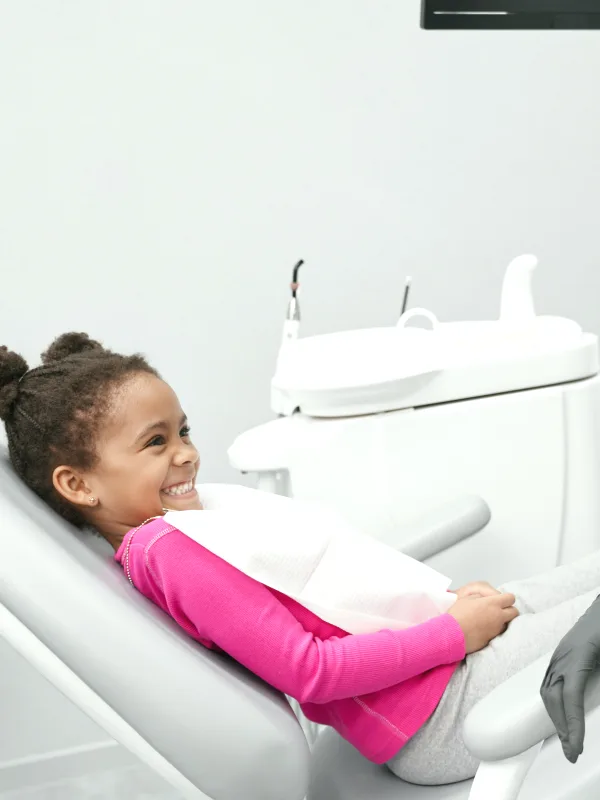
If Treatment Is Recommended Early
If your child does need early intervention, treatment at this stage is usually limited and targeted, addressing a specific issue such as crowding or a crossbite rather than a full course of braces. The goal is to guide development in the right direction while your child's jaw is still growing, which is often simpler and shorter than correcting the same issue once growth has finished.
Frequently Asked Questions
Not necessarily. Early evaluation identifies potential issues, and many children will not need immediate treatment, some may never need braces at all.
An initial evaluation usually takes about 30 minutes to an hour.
In some cases, yes. Early intervention can guide jaw growth and development, potentially reducing the need for more invasive procedures such as jaw surgery in the future.
No, evaluation by around age 7 is recommended directly, to make sure development is on track, without needing a referral first.
Without immediate treatment needs, check-ups every 6 to 12 months monitor growth, the exact frequency varies by your child's individual needs.
Yes, our orthodontic team offers early assessments for children across our Panjagutta, Hitech City, and Nanakramguda hospitals.